

Steep Streets and Downhill Car Accidents: When Loss of Vehicle Control Leads to a Serious Crash
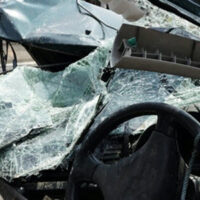
Seattle’s hills create driving conditions that can change within a single block. A driver descending a steep street may have a clear roadway ahead, then encounter slowing traffic or an intersection with far less stopping room than expected. Extra speed that might seem manageable on level pavement can become much harder to correct once the vehicle is already moving downhill.
After a serious downhill collision, identifying why a vehicle failed to stop often requires more than the initial police report. Working with an experienced Seattle car accident lawyer can help preserve vehicle data, examine the roadway, and determine whether speed, braking, following distance, or another factor caused the driver to lose control.
Seattle’s terrain makes those questions particularly relevant. The Seattle Department of Transportation recognizes that city streets range from nearly flat to very steep, and its street-design standards specifically account for the challenges created by steep slopes and variable topography.
A Posted Speed Can Still Be Too Fast for a Steep Descent
A speed-limit sign does not tell the entire story after a downhill accident. Washington law requires drivers to travel at a speed that is reasonable and prudent for the actual and potential hazards on the roadway. RCW 46.61.400 also requires an appropriate reduction in speed when special hazards exist because of traffic, weather, or highway conditions.
The street’s grade can be part of that analysis. As a vehicle moves downhill, gravity contributes to its forward movement. A driver who carries too much speed into the descent has less room to respond once traffic slows ahead. Wet pavement, a sharp change in grade, or a busy intersection at the bottom of the hill can further reduce the margin for correction.
That distinction can become important when an insurance company argues that its driver was traveling below the posted limit. Liability does not necessarily disappear because the speedometer showed a lawful number. Investigators can examine how fast the vehicle was traveling relative to the slope, road surface, traffic pattern, and the distance available to stop.
Following Distance Becomes More Important as the Road Drops
Drivers need enough space to recognize that another vehicle is slowing and bring their own vehicle to a controlled stop. On a steep descent, a short following gap can disappear quickly once the vehicle ahead begins braking.
Washington’s following-distance law addresses that responsibility directly. Under RCW 46.61.145, a driver cannot follow another vehicle more closely than is reasonable and prudent in light of vehicle speed, traffic, and roadway conditions. The statute does not establish one fixed number of feet that is safe in every situation.
A downhill rear-end collision may therefore require a closer look at the distance between the vehicles before braking began. A driver might insist that the lead vehicle “stopped suddenly,” but that explanation has less force if there was never enough separation to accommodate a foreseeable slowdown. Video, witness accounts, vehicle data, and the measured grade can help establish how much room the following driver actually had.
Limited Visibility Can Leave Little Room for Correction
Seattle’s hills can also affect what a driver can see. A descending motorist may not immediately see traffic backed up farther down the street. Parked vehicles can narrow sight lines near an intersection, while a change in roadway elevation can conceal conditions beyond the visible portion of the block.
Visibility evidence addresses a different issue than speed. The important question is how much roadway the driver could see before a hazard became apparent. Investigators can return to the scene to document the driver’s line of sight from the approach, measure distances, and determine where stopped traffic or another vehicle would first have become visible.
Those measurements can be compared with other evidence showing when the driver reacted. If the hazard was visible well before braking began, distraction or inattention may become relevant. If the view was genuinely restricted, speed and following distance take on greater significance because the driver had less room to respond once the hazard appeared.
Reconstruction Evidence Can Show What Happened Before Impact
A driver involved in a violent collision may remember only the final moments before impact. Physical and electronic evidence can provide a more precise account.
Many vehicles contain event data recorders capable of preserving information associated with a crash. Depending on the vehicle and system, recorded information can include pre-crash vehicle dynamics, vehicle speed, driver inputs, braking information, and the forces generated during the collision. NHTSA cautions that the precise data available varies, making proper retrieval and interpretation important.
That information can be considered alongside tire marks, debris location, vehicle damage, surveillance footage, dash-camera recordings, and measurements of the roadway itself. On a downhill street, reconstruction may also account for the grade when evaluating the vehicle’s movement and the distance available for braking.
Together, those details can help establish whether the driver applied the brakes early enough, entered the descent too fast, or attempted a sudden steering maneuver after running out of stopping room. They can also challenge an insurance company’s version of the accident when that version depends primarily on statements rather than measurable evidence.
A Claim of Brake Failure Requires a Closer Look at the Vehicle
Drivers sometimes explain a downhill collision by saying that the brakes failed. That possibility should be investigated rather than accepted or rejected based solely on the driver’s account.
A post-crash vehicle examination may help distinguish a genuine mechanical problem from braking that simply began too late. Investigators can look at the condition of the braking system and other components that affected the vehicle’s ability to slow or remain stable. Repair and maintenance records may also show whether a known problem existed before the crash.
Evidence of a mechanical defect can change the liability investigation. The driver’s conduct remains relevant, but ownership, maintenance, prior repairs, or a defective component could introduce additional questions about responsibility. Preserving the damaged vehicle before it is repaired, sold, or destroyed can be especially important when mechanical failure is being blamed for the loss of control.
More Than One Driver May Share Responsibility
Downhill collisions do not always fit neatly into a claim that one driver caused everything that happened. One motorist may have followed too closely while another made an unsafe movement into the lane. A vehicle stopped farther down the hill may also become involved after the first impact pushes another car forward.
Washington applies comparative fault to personal injury and property-damage claims. Under RCW 4.22.005, fault attributed to an injured person reduces compensatory damages proportionately rather than automatically preventing recovery.
That rule makes the details of a downhill accident especially important when an insurance company attempts to shift part of the blame to an injured driver. Reconstruction evidence can separate the decisions made by each motorist and show which actions actually contributed to the collision.
Serious Injuries Can Extend Far Beyond the Crash Scene
A downhill vehicle that cannot stop may strike with substantial force, and the initial collision can send another vehicle into surrounding traffic or roadside objects. Occupants can be left with fractures, head injuries, spinal injuries, or other conditions requiring lengthy treatment. The financial effects often continue while the injured person is unable to work.
Medical records establish much more than the fact that treatment occurred. They can document how the injuries developed after the crash, the procedures required, continuing restrictions, and the need for future care. Employment and wage documentation can establish income lost during recovery and help support the broader damages included in a personal injury claim.
For someone facing serious injuries after a steep-street collision, consulting with an experienced Seattle car accident lawyer can help connect the evidence establishing fault with the medical records, lost wages, and other losses that determine the compensation the claim should address.
Contact Our Seattle Car Accident Lawyers at The Pendas Law Firm
A downhill collision can become disputed quickly, particularly when the driver who caused the crash claims that the hill, the brakes, or an unexpected traffic condition made the accident unavoidable. Preserving the vehicle and documenting the roadway can provide evidence that is difficult to recreate months later.
If you or a family member suffered serious injuries in a downhill crash, contact The Pendas Law Firm for a consultation. Working with a Seattle car accident lawyer can help determine why the vehicle lost control, identify the parties responsible for your injuries, and pursue the compensation available for your medical expenses, lost income, and other accident-related losses.
Sources:
Washington State Legislature — RCW 46.61.400, Basic Rule and Maximum Limits
Washington State Legislature — RCW 46.61.145, Following Too Closely
Washington State Legislature — RCW 4.22.005, Effect of Contributory Fault
Seattle Department of Transportation — Seattle Walking Map and Street Slope Information
Seattle Streets Illustrated — Grading Standards
National Highway Traffic Safety Administration — Event Data Recorders