

One Bump or Seventy: Why a Simple I-4 Rear-End Crash and a Highway Pileup Get Investigated Completely Differently
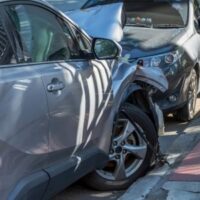
Not all multi-vehicle accidents are created equal, and nowhere is that more obvious than on Interstate 4. On any given day, this corridor between Tampa and Orlando sees the routine rear-end crash: one driver following too closely, a sudden stop in traffic, a bumper crumpled at a red light or in stop and go congestion. But I-4 has also produced some of the worst pileups in American history. Our Orlando car accident lawyers handle both ends of this spectrum, and the legal path to compensation looks very different depending on which one you are dealing with.
A Standard Rear-End Crash Starts With a Presumption
Under Florida law, the driver who strikes another vehicle from behind is generally presumed to be at fault, since drivers are expected to maintain a safe following distance and react to traffic ahead of them. A basic two car rear-end claim on I-4 usually turns on documenting the impact, gathering the police report, and connecting the collision to the resulting medical treatment. Fault is rarely the hardest part. The dispute usually centers on the extent of the injury and what it is worth.
A Pileup Requires Untangling Dozens of Independent Decisions
A highway pileup is a completely different animal. When a wall of fog or a sudden traffic stop causes a chain reaction, investigators have to determine which impact caused which injury, in what order the vehicles struck each other, and whether each driver acted reasonably given the conditions they could actually see at that moment. A driver who plows into the back of an already stopped pile may bear far less responsibility than the vehicle that triggered the initial collision, and Florida’s comparative negligence framework requires that responsibility be divided accordingly rather than assigned to a single party.
Several factors typically separate these two categories of claims:
- Number of insurance policies and liability limits potentially involved
- Whether fault is presumed or must be independently reconstructed
- The volume of physical evidence, including skid marks and vehicle debris
- The need for accident reconstruction experts in multi-vehicle events
- How weather and visibility reports factor into the liability analysis
Why the Distinction Matters for Your Claim
Treating a 70 car pileup like a routine two car crash, or vice versa, is a mistake that can cost an injured driver real compensation. Pileup claims often require pulling weather data, traffic camera footage, and 911 call timelines to establish a clear sequence of events, while straightforward rear-end claims move faster when the evidence is handled correctly from the start.
I-4 is not going to get any less busy, and neither is the flow of injury claims it produces. Whether you were rear-ended in ordinary traffic or caught in a chain reaction crash, The Pendas Law Firm represents accident victims throughout Orlando, Tampa, Ocala, Bradenton, Fort Myers, Jacksonville, West Palm Beach, Fort Lauderdale, Miami, and Daytona Beach. Call us so we can sort out exactly what happened and who should be held responsible.