

The Hidden Legal Fight Behind Every Jacksonville Slip and Fall Case
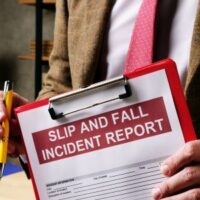
A fall in a grocery store or restaurant can happen in a matter of seconds, but proving who is responsible for it is rarely simple. Many people assume that if they slipped on something a business left on the floor, the business is automatically at fault. Florida law works differently, and the gap between what feels fair and what the law actually requires can catch injured people off guard. Our Jacksonville slip and fall attorneys see this misunderstanding play out often, and it usually shapes the outcome of a claim before the injured person ever speaks to a lawyer.
The Standard Florida Businesses Are Held To
Under Florida Statute 768.0755, a person injured by a “transitory foreign substance,” such as a spilled drink, tracked-in rainwater, or a dropped item, must show more than the fact that the hazard existed. The law requires proof that the business had actual or constructive knowledge of the dangerous condition and failed to correct it within a reasonable time. Constructive knowledge can be shown through circumstantial evidence, such as the length of time the substance was on the floor or evidence that similar hazards occurred with enough regularity that the business should have anticipated them.
Why Timing Becomes the Central Question
Because the statute focuses on knowledge, the timeline of events often decides a case. Surveillance footage, incident reports, and employee inspection logs become critical pieces of evidence. If a puddle sat on a tile floor for twenty minutes before anyone stepped in it, that is a very different case than a puddle that formed thirty seconds before a fall. Businesses know this, which is why insurers for grocery stores, restaurants, and retail chains in Jacksonville frequently argue that a hazard appeared too recently for staff to have reasonably discovered it.
Steps That Strengthen a Claim
Anyone injured in a fall on someone else’s property should try to photograph the hazard immediately, note the exact time of the incident, and identify any witnesses nearby. Requesting a copy of the store’s incident report and asking whether surveillance video exists can also preserve evidence that businesses are not always required to keep indefinitely. Prompt medical treatment matters as well, since gaps in care give insurers an opening to question the seriousness of the injury.
The Pendas Law Firm Is Ready to Help
Slip and fall claims in Florida place a real burden on the injured party, and that burden only grows heavier the longer evidence goes uncollected. If you were hurt in a fall at a business in Jacksonville, Orlando, West Palm Beach, Ocala, Tampa, Bradenton, Fort Lauderdale, Miami, Fort Myers, or Daytona Beach, we encourage you to reach out to The Pendas Law Firm before speaking with an insurance adjuster. We can begin investigating the circumstances of your fall right away, while the evidence that matters most is still available.
Source:
leg.state.fl.us/statutes/index.cfm?App_mode=Display_Statute&URL=0700-0799/0768/Sections/0768.0755.html