

When Recreational Boats and Commercial Vessels Share San Juan Bay
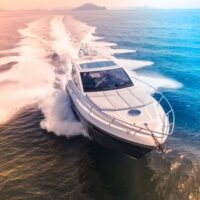
San Juan Bay brings recreational boating into the same working harbor used by dramatically larger, far less maneuverable commercial vessels. A small powerboat or sailboat may be able to change course within seconds. A cargo vessel, cruise ship, tug-assisted vessel, or other large commercial ship may need substantially more distance and time to slow, turn, or respond to another boat crossing its path.
Those differences can lead to devastating accidents. A recreational boat may be struck directly, forced into another vessel or structure, swamped by a wake, or thrown into an emergency maneuver that leaves passengers seriously injured. Determining fault requires more than identifying which boat was moving faster or which vessel appeared to be approaching from the right.
After a serious accident in San Juan Bay, an experienced San Juan boat accident lawyer can investigate the movements of both vessels and determine how federal navigation rules, commercial vessel operations, and the circumstances inside the harbor affect liability.
Vessel Size Changes the Time and Space Needed to Avoid a Collision
A large commercial vessel cannot maneuver like a recreational boat. Its draft may confine it to deeper portions of the harbor, while its size affects turning radius, stopping distance, visibility from the bridge, and the amount of water needed to complete a safe maneuver. A smaller recreational craft generally has greater freedom to move outside the principal navigation channel.
That difference does not excuse unsafe operation by either vessel. It changes what each operator must anticipate. Someone piloting a small boat should recognize that a commercial ship cannot suddenly move out of the way. At the same time, the bridge crew of a large vessel must account for smaller craft that may be difficult to see or whose operators may not appreciate how quickly a dangerous situation is developing.
San Juan Harbor is an active federal navigable waterway where commercial and recreational traffic must coexist. The Coast Guard emphasized that point in 2026 when it took action against commercial vessels that were obstructing the navigable channel, specifically citing the need for safe access by commercial, military, and recreational traffic within the harbor’s limited waterways.
Lookout Duties Begin Well Before Two Vessels Get Too Close
Collision avoidance starts with seeing the developing danger. Federal Navigation Rule 5, codified at 33 C.F.R. § 83.05, requires every vessel to maintain a proper lookout by sight and hearing and by other available means appropriate to the conditions. The purpose is to allow the operator or crew to understand the situation and recognize a risk of collision before it becomes an emergency.
For a recreational operator, that can mean watching more than the water immediately ahead of the bow. Commercial ships may be approaching from a channel or beginning a turn, leaving little room for a small boat several minutes later. A commercial bridge crew may have radar, communications equipment, and additional personnel available, but those resources do not replace the duty to maintain an effective lookout.
Evidence that someone was distracted, failed to monitor the surrounding traffic, misunderstood another vessel’s course, or waited too long to react can become central to an injury claim. On commercial vessels, bridge records and electronic navigation data may provide a much clearer account than the memories of the people involved.
Safe Speed Depends on Traffic and Conditions Inside the Bay
There is no single speed that is safe under every set of conditions. Federal Navigation Rule 6 requires vessels to travel at a speed that permits effective action to avoid a collision and allows the vessel to stop within an appropriate distance. Traffic density, visibility, maneuverability, and other surrounding conditions are among the factors that must be considered.
That standard can become particularly important inside San Juan Bay. A speed that might be reasonable in open water can leave too little reaction time around commercial traffic, harbor infrastructure, turning vessels, and smaller boats. The same speed can create very different risks depending on vessel size.
Investigators may examine engine data, GPS tracks, Automatic Identification System information from equipped vessels, video, and witness accounts to determine speed before an accident. Those records can also show when a vessel began slowing or changing course and whether meaningful collision-avoidance action came too late.
Navigation Channels Give Some Commercial Vessels Very Little Room to Move
Right-of-way arguments after a boating accident can become misleading when one vessel is constrained by the navigation channel. Federal Navigation Rule 9 addresses narrow channels and fairways. Among other requirements, a vessel under 20 meters long or a sailing vessel must not impede a vessel that can safely navigate only within the channel or fairway. A vessel also must not cross a narrow channel when doing so impedes the passage of a vessel confined to it.
That rule is especially important when a recreational boat encounters deep-draft commercial traffic. A smaller vessel may physically have enough water to move outside the channel while the larger ship does not. Cutting across the ship’s route at close range can create a collision risk that the commercial vessel has little ability to escape.
A commercial vessel does not receive permission to disregard every other navigation duty merely because it is operating in a channel. Its crew still must maintain a lookout, evaluate collision risk, and take appropriate action under the circumstances. Liability can depend on the conduct of both operators during the entire encounter rather than one isolated right-of-way rule.
A Dangerous Wake Can Cause an Accident Without Direct Vessel Contact
Not every serious boat accident involves one hull striking another. The wake generated by a commercial vessel can create enough movement to throw occupants inside a small boat, send someone overboard, swamp a low-sided craft, or push a recreational vessel toward a dock, seawall, or another boat.
Wake liability depends heavily on the circumstances surrounding the encounter. The size and speed of the commercial vessel are important, but so are its distance from the smaller craft and the surrounding harbor conditions. An operator who can reasonably anticipate that a wake will reach nearby vessels may need to adjust speed or navigation accordingly.
The recreational operator’s actions can also become part of the investigation. Positioning a small boat dangerously close to commercial traffic, approaching a wake at an unsafe angle, or failing to reduce speed may contribute to an accident. Those facts should be reconstructed rather than assumed simply because the commercial vessel generated the larger wake.
Commercial Operations Can Put More Than One Party Under Scrutiny
An accident involving a privately owned recreational boat may initially appear to involve only two operators. A collision involving a commercial vessel can present a much broader liability investigation.
The person physically directing the vessel is only one part of the operation. Depending on the accident, evidence may lead to the vessel owner or operating company, a commercial employer, a chartering entity with relevant operational control, a tug operator, or another business involved in the vessel’s movement. Harbor pilots may also assist in navigating certain large vessels entering or leaving port, making the division of responsibility aboard the bridge particularly important.
Commercial operations also generate records that can reveal what happened before the accident. Crew schedules may establish who was on watch. Voyage and bridge records can document vessel movements. Maintenance information may become relevant if propulsion, steering, radar, or another onboard system contributed to the collision.
Electronic Records Can Reconstruct the Minutes Before Impact
The movement of a commercial vessel can often be reconstructed far more precisely than the movement of an ordinary recreational boat. Automatic Identification System data can document position, course, and speed for vessels required or equipped to transmit it. Voyage data recorders, radar information, electronic charts, engine records, bridge communications, and port surveillance may provide additional evidence.
Radio transmissions can be equally revealing. Communications between the commercial vessel, pilot, tug operators, port personnel, or nearby traffic may show that someone recognized the recreational boat before impact or that concern was raised about another vessel’s position.
Evidence from the recreational boat remains important as well. GPS devices, marine electronics, photographs, passenger videos, and mobile-phone recordings may establish where the boat was located and how quickly events unfolded. Preserving those records early can prevent an injury claim from becoming a contest between two conflicting recollections.
Fault May Be Shared Without Eliminating a Personal Injury Claim
Boat accidents frequently develop too quickly to fit a simple one-vessel-is-entirely-at-fault explanation. A recreational operator could enter a commercial vessel’s path while the ship’s crew also fails to react promptly. A large vessel could create an unsafe wake while the smaller boat’s operator compounds the danger through speed or positioning.
Federal maritime law recognizes comparative fault in maritime collision cases rather than automatically treating one mistake as the end of the liability inquiry. The Supreme Court’s decision in United States v. Reliable Transfer Co. established proportional allocation of damages according to comparative fault in maritime collision and stranding cases involving property damage.
For an injured passenger or boat operator, reconstructing each vessel’s contribution can therefore be critical. Medical records, lost wages, future treatment needs, and other losses may be included in the compensation claim once responsibility for the accident has been established.
Someone seriously injured in San Juan Bay should consider working with a San Juan boat accident lawyer who can preserve maritime evidence and investigate the conduct of every vessel and commercial operation involved.
Contact Our San Juan Boat Accident Lawyers at The Pendas Law Firm
A boating accident involving a commercial vessel can leave an injured person facing severe physical injuries, substantial medical expenses, lost income, and questions that cannot be answered from the accident scene alone. The Pendas Law Firm can investigate vessel movements, navigation practices, electronic records, commercial operations, and the circumstances leading to the collision or wake event.
Our San Juan boat accident lawyer can evaluate the maritime liability issues affecting your injury claim and pursue compensation from the parties responsible for your losses. Contact The Pendas Law Firm for a free consultation and learn how we can help protect your rights after a serious boating accident in San Juan Bay.
Sources:
Electronic Code of Federal Regulations — 33 C.F.R. § 83.05, Look-out (Rule 5)
ecfr.gov/current/title-33/chapter-I/subchapter-E/part-83/subpart-B/subject-group-ECFRc711a0393c57020/section-83.05
Electronic Code of Federal Regulations — 33 C.F.R. § 83.06, Safe Speed (Rule 6)
ecfr.gov/current/title-33/chapter-I/subchapter-E/part-83/subpart-B/subject-group-ECFRc711a0393c57020/section-83.06
Electronic Code of Federal Regulations — 33 C.F.R. § 83.09, Narrow Channels (Rule 9)
ecfr.gov/current/title-33/chapter-I/subchapter-E/part-83/subpart-B/subject-group-ECFRc711a0393c57020/section-83.09
United States Coast Guard — Coast Guard Issues Captain of the Port Orders to Vessels Obstructing the Navigable Channel in San Juan Harbor
news.uscg.mil/Press-Releases/Article/4482320/coast-guard-issues-captain-of-the-port-orders-to-vessels-obstructing-the-naviga/
U.S. Government Publishing Office — United States v. Reliable Transfer Co., 421 U.S. 397 (1975)
govinfo.gov/app/details/USREPORTS-421/USREPORTS-421-397