

Liability in Accidents Involving Agricultural Trucks in Florida
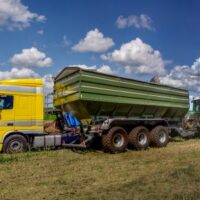
If you spend any time driving through Florida’s farming regions, you’ll spot agricultural trucks everywhere. These large vehicles move crops, livestock, and heavy equipment from one place to the next. But when one of these trucks is involved in a crash, determining who’s responsible can get complicated fast. The rules aren’t always the same as in regular car accidents, so it’s important to know how Florida law treats these cases if you or someone you know gets hurt.
Why Are Agricultural Truck Accidents Different?
Agricultural trucks operate under different conditions than commercial freight trucks. You’ll see them on rural roads, moving between fields, or hauling oversized, sometimes uneven loads. Some of these vehicles don’t have to follow certain federal trucking regulations. However, that does not mean they can ignore basic safety responsibilities.
Common Causes of Agricultural Truck Accidents
Some of the most common causes of these accidents include:
- Cargo that’s overloaded or not tied down properly
- Trucks that don’t get regular maintenance
- Poor visibility
- Drivers who are pushed to the limit, especially during the busy harvest season
- Slow farm vehicles on high-speed roads
Each of these issues can point to negligence and help establish liability.
Who Can Be Held Responsible?
It’s not always obvious who’s at fault when these accidents happen. Here’s a quick breakdown of the parties who might be held liable:
The Truck Driver
If the driver engaged in negligent behavior, such as speeding, driving while fatigued, failing to yield, or driving under the influence, they can be held liable for any injuries that result.
The Farm or Agricultural Business
If the driver was working at the time, the farm or company could also be liable under the legal principle of vicarious liability. Farms can also be directly liable for failing to maintain vehicles, negligent hiring, or inadequate training.
Equipment Manufacturers
Sometimes, the problem starts with the truck itself. If brakes fail or something else goes wrong due to a defective part, the company that made or sold it could be held liable.
Third Parties
Other third parties, such as maintenance providers or cargo loading companies, can share blame if they acted carelessly.
Comparative Fault
Florida operates under a comparative negligence system. If you’re partly to blame for your accident, your compensation is reduced by your percentage of responsibility. So, if you’re found 20% at fault, you only get 80% of your awarded damages.
Proving Fault After an Accident
To build a strong case after a crash, gathering solid evidence is key. This could include:
- Police reports
- Statements from witnesses
- Photos of the vehicles and the scene
- Maintenance and inspection records
- Employment information and driver logs
Agricultural truck accidents require careful investigations. Speaking with a qualified attorney early can help clarify liability and ensure important evidence is preserved before it is lost or altered. A skilled attorney can help you recover the full compensation you are entitled to.
Contact Us for Legal Help
If you or a loved one has been injured in an agricultural truck accident in Florida, you don’t have to navigate the legal process alone. Contact an experienced Tampa truck accident attorney at The Pendas Law Firm today to understand your rights, identify liable parties, and pursue the compensation you are entitled to under Florida law.
The Pendas Law Firm also represents clients in the Ocala, Orlando, Daytona Beach, West Palm Beach, Fort Myers, Bradenton, Fort Lauderdale, Miami, Jacksonville, Naples, and Melbourne areas.