

Truck Blind Spots: How They Put Motorists at Risk
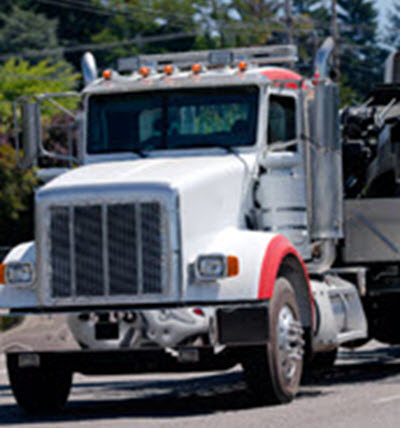
While many assume that truck drivers have a better view of the road because they sit higher and have large mirrors, trucks also have more significant blind spots. These blind spots, where visibility is obstructed, pose a serious risk for truckers and other road users. Staying in a truck’s blind spot means the driver may not see your car, increasing the chances of a horrific collision. To stay safe, you must understand where these blind spots are, as even a little awareness goes a long way in preventing accidents and keeping everyone safe on the road. Let’s dive into it, shall we?
Where Are Truck Blind Spots?
Truck blind spots, also called no-zones, are large hidden areas where the driver has difficulty seeing other vehicles. While passenger cars have blind spots too, truck no zones are much larger, and finding yourself in one could lead to a catastrophic accident. These no-zones can be found on several sides of the truck, including:
- In Front of the Truck
While trucks have a better forward view than passenger vehicles, the area directly in front of the truck is a huge blind spot. Since the driver sits so high, the area directly in front of the truck, particularly around the front bumper and headlights, can be difficult for the driver to see due to the truck’s elevated cabin design and long hood. This can be dangerous for vehicles merging into the truck lane or suddenly stopping.
- At the Back of the Truck
Rear blind spots extend several car lengths behind the truck, roughly 30 feet back. If you drive too closely behind the truck, you may risk getting into rear-end collisions, especially in heavy traffic or situations involving sudden braking.
- On Both Sides of the Truck
Trucks have wide blind spots on both sides, stretching the length of the cab plus trailer and extending out several lanes. Passenger vehicles in such areas, especially on the right side, may be entirely invisible to the truck driver, making side-swipe accidents and collisions when changing lanes more likely.
Strategies To Reduce the Risk of Truck Accidents
To mitigate blind spot dangers, you should remain vigilant and take defensive measures, such as:
- Keep away from the sides of the truck. If you must drive on the side, cautiously pass quickly and signal early enough for the truck driver to see you before you pass.
- Ensure you can see the driver in the side mirrors. If you can’t see them, this could mean you are in a blind spot, and it is possible that the driver cannot see you as well.
- When driving in front of a truck, give ample space because the truck cannot stop as quickly as a passenger vehicle or motorcycle would. This also applies when you merge back into your lane after passing a truck. Don’t slow down until you have a safe distance between you and the truck.
- Give trucks extra space when they are making a turn, and avoid cutting between them and the curb.
- Avoid letting other motorists box you into a truck’s blind spots.
Contact a West Palm Beach Truck Accident Lawyer
If you’ve been injured in a truck accident, contact our dedicated West Palm Beach truck accident lawyer at The Pendas Law Firm to learn more about your options.
The Pendas Law Firm also represents clients in the Ocala, Jacksonville, Fort Myers, Miami, Daytona Beach, Tampa, Bradenton, Orlando, Fort Lauderdale, Naples, and Melbourne areas.