

How To Prevent a Tire Blowout
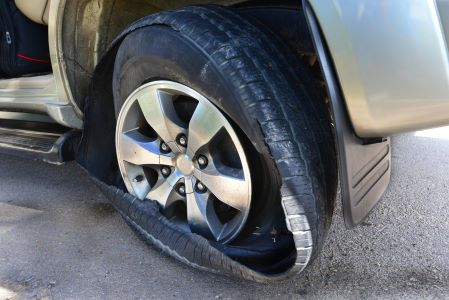
It can be scary to experience a tire blowout. A tire blowout occurs when a tire rapidly loses air pressure. When a tire suddenly loses air pressure, it can deflate or even burst. Tire blowouts occur for various reasons, including high temperatures, overloading, underinflation or overinflation, road hazards, wear and age, and manufacturing defects. A tire blowout can cause a vehicle to lose control and result in a serious accident. Tire blowouts cause thousands of crashes every year. It is crucial for drivers to pay close attention to their tires to avoid tire blowouts. To ensure you are safe while driving, below are some tips for preventing a tire blowout.
Tip #1: Monitor Tire Pressure
Monitoring tire pressure is one of the most crucial things to do when it comes to preventing a blowout. Ensure your tires are properly inflated. Proper tire inflation reduces the risk of blowouts. When a tire is overinflated or underinflated, the tire’s structure suffers excessive stress, which makes the tire more susceptible to failure.
It is recommended that you check tire pressure once a month.
Tip #2: Replace Tires on Time
To prevent a tire blowout, ensure you replace your tires on time. Routinely check your tires for signs of wear and tear, cracks, and bulges. As soon as you notice an issue with a tire, replace it.
Regardless of the apparent condition of a tire, it is advisable that you replace it if you have had it for more than six years.
Tip #3: Avoid Overloading Your Vehicle
All vehicles have a load capacity limit. You must always stick to this limit. If you do not know the load capacity limit of your car, ensure you familiarize yourself with it. This limit is often mentioned in the vehicle manual. While carrying as much as possible in a vehicle can be tempting, you should never exceed the recommended weight limit. Overloading your car can be a recipe for disaster. Overloading a vehicle puts excessive pressure on the tires, increasing the risk of a blowout. If you need to carry more than your car can safely carry in one trip, make two trips, if possible, and when packing up your vehicle, ensure you distribute the weight evenly throughout the car. Generally, heavier items should be placed closer to the vehicle’s center.
Tip #4: Choose the Correct Tire
Tires are made with specific purposes in mind, so it is vital that you choose the right tire. For example, if you frequently travel to places with colder climates, it may be wise to consider a set of winter tires. A tire expert can help you find the perfect tires for your vehicle and driving habits.
Tip #5: Avoid Road Hazards
Most parts of Florida roads are smooth, but others are full of hazards that can cause damage to your vehicle’s tires and result in blowouts. When driving, try to avoid debris and potholes.
Legal Help Is Available
In the event that you are in an accident because of a tire blowout, you may have legal options. Our Orlando personal injury attorneys at The Pendas Law Firm can help you explore your legal options.
The Pendas Law Firm also represents clients in the Fort Myers, Fort Lauderdale, Miami, Ocala, Tampa, Jacksonville, Naples, Melbourne, Bradenton, Daytona Beach, and West Palm Beach areas.
Source:
bridgestoneamericas.com/en/company/safety/maintaining-tires/tire-inflation