

Establishing Gross Negligence in Florida Drunk Driving Cases: Strategies for Recovering Punitive Damages
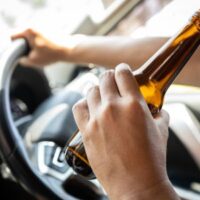
Drunk driving accidents turn lives upside down. Victims often have to deal with painful injuries, emotional stress, and bills they never saw coming. Sometimes, the harm caused by an impaired driver goes far beyond ordinary negligence. A drunk driver may show an obvious disregard for everyone else’s safety. In Florida, this level of recklessness allows victims to seek punitive damages, not just the typical compensatory damages. Knowing how to establish gross negligence in these cases is key to obtaining the maximum compensation.
What Is Gross Negligence in Florida?
Usually, if you’re hurt, you just have to prove someone was negligent and that negligence caused your injuries. However, recovering punitive damages requires you to prove a higher level of misconduct. Under Florida Statutes section 768.72, to recover punitive damages, the other driver must be guilty of intentional misconduct or gross negligence.
Gross negligence means someone knew their actions could harm others but didn’t care. With drunk driving, it often means the driver knew how risky their behavior was, yet drove drunk anyway.
Why Drunk Driving Opens the Door for Punitive Damages
Driving drunk isn’t just risky, it’s against the law. According to Florida Statutes section 316.193, driving with a BAC of 0.08% or above is illegal. So when someone knowingly gets behind the wheel impaired, judges and juries may view it as much worse than simple carelessness. If the drunk driver’s actions were particularly reckless, such as driving at excessive speeds or ignoring traffic signals, a court may consider those actions evidence of gross negligence.
What Evidence Shows Gross Negligence?
Punitive damages are not automatic in Florida. Under Florida Statute 768.72, a plaintiff must first present enough evidence to justify pursuing them. Here’s what can help:
- Police reports and DUI arrest records. These documents confirm blood alcohol levels, police observations, and failed sobriety tests.
- Toxicology reports. A high BAC number can show that the driver knowingly put others at risk.
- Witness statements. Passengers, other drivers, or even people on the street might’ve seen the driver swerving, speeding, or running red lights.
- Video footage. Surveillance or dashcam video can show exactly how reckless the driver was.
A driver’s prior record and the outcome of any related criminal case may also help support a claim for punitive damages.
The Importance of Punitive Damages
Punitive damages are not awarded in every drunk driving case, but when gross negligence can be proven, they can significantly increase the compensation available to victims. Beyond financial recovery, these damages serve an important purpose: holding reckless drivers accountable and sending a clear message that dangerous conduct on Florida roads will not be tolerated.
If a drunk driver has hurt you or a loved one, it is vital to understand how gross negligence works. That knowledge could make a real difference in your recovery and help make Florida’s roads safer for everyone.
Contact Us for Legal Help
If you or a loved one has been injured by a drunk driver in Florida, an experienced West Palm Beach personal injury lawyer at The Pendas Law Firm can help you pursue full compensation, including possible punitive damages. Contact us today to schedule a consultation.
The Pendas Law Firm also represents clients in the Ocala, Orlando, Miami, Tampa, Jacksonville, Daytona Beach, Bradenton, Fort Myers, Fort Lauderdale, Naples, and Melbourne areas.
Source:
leg.state.fl.us/statutes/index.cfm?App_mode=Display_Statute&URL=0700-0799/0768/Sections/0768.72.html