

What Should You Do After a Multi-Vehicle Pileup in Florida?
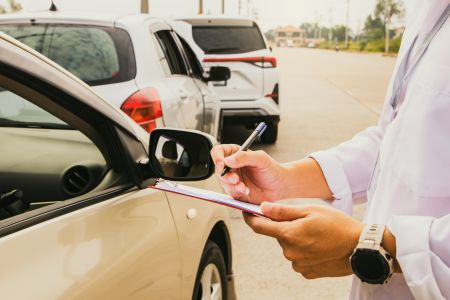
A multi-vehicle accident in Florida can turn a routine drive into a chaotic and overwhelming situation within seconds. Multi-vehicle pileups often involve multiple drivers, several insurance companies, and complex questions about who was at fault. If you’ve been involved in such an accident, it’s normal to feel confused and unsure of the next steps. However, even in the middle of the chaos, there are certain things you can do to protect your health, rights, and ability to recover your damages. Read on to learn more.
What Causes Multi-Vehicle Pileups?
Most multi-vehicle accidents begin with a single event that escalates quickly. Some of the causes include:
- Adverse Weather Conditions: Heavy rain or fog often makes it difficult to see brake lights or hazards ahead. When visibility drops, drivers have less time to react, increasing the likelihood of pileups.
- Distracted Driving: If someone at the back is not paying attention or is texting, they may not notice slowing cars until it’s too late to stop, triggering a chain of rear-end collisions.
- Speeding: High speeds typically reduce a driver’s reaction time, and when a driver approaches slowed traffic, the impact can cause other vehicles to collide in a pile-up accident.
- Tailgating: Following too closely is one of the leading causes of multi-vehicle pileups. That’s why it’s essential to keep a safe following distance.
- Improper Cargo Loading: A multi-vehicle pileup can also involve trucks and smaller cars, where a truck with unbalanced or unsecured cargo can lead to a sudden jackknife accident that multiple vehicles can’t avoid.
- Road Design or Maintenance Issues, such as potholes, unmarked work zones, or poorly marked construction zones, can also contribute to these multi-vehicle crashes.
Steps To Take in a Multi-Vehicle Accident in Florida
To protect your health and rights, here’s what you should do:
- Seek Medical Assistance
Your priority should be your health. Call 911 immediately after the crash so that emergency responders and law enforcement can come to the scene. Even if you feel okay, it’s essential to get checked out. Injuries like whiplash, concussions, or internal trauma often take hours or even days to manifest. Moreover, seeing a doctor ensures you have a clear medical record linking your injuries to the crash.
- Document Any Evidence at the Scene
If you can do so safely, collect as much information as possible, including skid marks, vehicle damage, road conditions, debris, and visible injuries. The more evidence you have, the easier it will be to establish responsibility later.
- Report the Crash to Your Insurance Company
Florida follows a no-fault insurance system, so your insurance carrier pays for your medical expenses irrespective of who caused the crash. However, be cautious when speaking with adjusters. Stick to the facts and avoid guessing.
Should I Move My Vehicle?
If your car is drivable and you are okay to do so, you can move it to the shoulder or a safe area away from traffic. Turn on your hazard lights to alert other drivers. Otherwise, stay inside with your seatbelt on until help arrives.
Contact a Car Accident Lawyer Today
If you were hurt in a multi-vehicle pile-up, contact our Fort Lauderdale car accident lawyer at The Pendas Law Firm today to fight for the compensation you deserve.
The Pendas Law Firm also represents clients in the Ocala, Orlando, Tampa, West Palm Beach, Fort Myers, Jacksonville, Bradenton, Daytona Beach, Miami, Naples, and Melbourne areas.