

Minor Accidents and Major Injuries
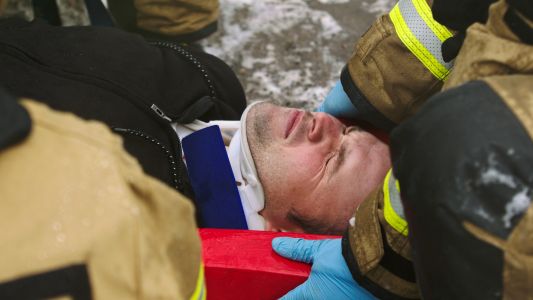
Many drivers assume that if a crash appears minor, the resulting injuries must also be minor. Sadly, this is not always the case. At The Pendas Law Firm, we’ve seen firsthand how even low-speed collisions can result in serious medical issues and costly legal issues. In this article, we explore why minor crashes can cause major injuries, how insurance companies respond, and what steps you should take to protect yourself.
The Myth: “Minor” Accidents Cause Minor Injuries
A minor accident is a collision with minimal visible damage to the vehicles involved, such as a fender-bender in a parking lot or a slow-speed rear-end collision. However, the human body is much more vulnerable than modern cars. Even a low-speed collision can cause serious injuries.
For instance, imagine a low-speed rear-end crash that leaves a steel bumper bent. At first glance, the damage may appear minor. But if the collision was strong enough to damage solid steel, it indicates a significant amount of force was involved. That energy does not disappear. Instead, it travels through the vehicle and into the bodies of those inside.
Even with limited car damage, a sudden jolt can cause the head, neck, and spine to snap or twist unnaturally. As a result, occupants may suffer injuries such as whiplash, herniated discs, concussions, other soft tissue injuries, or other serious head and spinal conditions.
The Problem of Delayed Symptoms
One of the biggest risks following a seemingly minor accident is delayed symptoms. Many people feel perfectly fine right after a crash, only to start experiencing pain hours or even days later. After a seemingly minor accident, adrenaline can temporarily mask pain and discomfort, meaning you might feel “okay” right after the crash, even if you’re injured.
How Insurance Companies Downplay Minor Accidents
Insurance companies often argue that minimal vehicle damage means minimal injury risk. Adjusters may question whether the accident truly caused your condition or suggest your injuries were pre-existing. In many cases, insurers offer quick, low settlements before the full extent of injuries becomes clear.
These tactics are designed to reduce payouts. Without strong medical documentation and legal guidance, you may accept far less compensation than you deserve.
The Role of Experts in Proving Injury Causation
In low-impact crash cases, expert testimony can be critical. Medical professionals, accident reconstruction specialists, and biomechanical experts can help explain how the forces involved were enough to cause serious injuries. Biomechanical specialists analyze how crash forces affect the body, physicians connect injuries to the collision, and accident reconstructionists use physical evidence to demonstrate the true force involved and support causation. This expert input can strengthen your claim and counter insurance company arguments that the crash was “too minor” to cause harm.
Steps To Take After a “Minor” Accident
After any collision, seek medical attention promptly, even if you feel fine. Early medical evaluation creates a record connecting your injuries to the crash. You should also document the scene, photograph vehicle damage, exchange information, and report the accident as required.
Most importantly, be cautious when dealing with insurers and consider speaking with an experienced Florida car accident attorney. What seems like a minor accident today can lead to major consequences tomorrow. Protect yourself!
Contact Us for Legal Help
If you were in a Florida car accident, regardless of how minor it seemed, contact our Orlando car accident attorneys at The Pendas Law Firm today for a consultation.
The Pendas Law Firm also represents clients in the Ocala, Tampa, Miami, Jacksonville, Bradenton, Daytona Beach, West Palm Beach, Fort Myers, Fort Lauderdale, Naples, and Melbourne areas.