

Navigating Winter Driving Risks in Florida
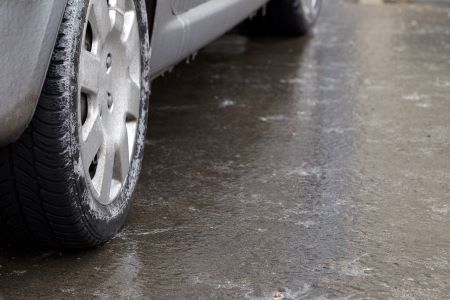
Winter driving may not be the first concern for Florida motorists, but the colder months still pose significant risks. Sudden snowstorms, cold snaps, freezing rain, fog, and heavy downpours can quickly make roads dangerous. Many winter crashes in Florida aren’t caused by ice alone; they also happen because drivers underestimate changing conditions. Understanding common winter hazards and safe driving tips can go a long way in protecting yourself and others on the road.
Common Winter Hazards in Florida
Even in Florida, winter can create dangerous conditions for drivers. Some of the common hazards to watch out for include:
- Icy Patches: These can happen during cold snaps, especially on bridges and overpasses
- Reduced Traction on Wet Roads: Chilly mornings can create slick surfaces that merely seem wet but are a hazard
- Fog and Low Visibility: Cooler temperatures often bring fog, which can limit sight lines
- Vehicle Performance Issues: Winter cold can reduce tire pressure, affecting braking efficiency
Safe Winter Driving Tips for Florida Motorists
When temperatures drop even slightly, road conditions can change fast. To safely drive in winter weather, here’s what you should do.
Slow Down
Slowing down is one of the most essential adjustments you can make. When the roads are slick and snowy, vehicles need more time and distance to stop, especially when roads appear wet but are actually beginning to freeze.
Stay Alert
During winter, it is essential to stay alert, especially during early mornings and late nights when temperatures are closest to freezing. Bridges and overpasses freeze faster than regular roads, making them especially hazardous. Ensure you leave a greater than usual distance between you and the car in front, avoid passing slower vehicles, and brake and accelerate gently.
Take Care of Your Tires
As temperatures drop, tire pressure can fall, reducing stability and increasing the risk of accidents. Unlike other states, Florida law prohibits the use of tire chains. However, rubber-studded tires designed for traction are permitted, so take advantage of them. Remember, all-wheel drive doesn’t guarantee control on icy or slick roads, and you should never use cruise control in poor winter weather.
Determining Fault in Winter Car Accidents
Unfortunately, even when you drive cautiously during the winter, other drivers may not be as careful, and accidents can still occur. Now, bad weather doesn’t excuse careless driving. Drivers are expected to maintain control of their vehicles in all weather conditions. If a driver fails to adjust speed, follows too closely, or ignores visibility issues, they may be found negligent. In fact, bad weather raises the standard of care, meaning drivers must take extra precautions. Even if the weather contributed to the accident, if another driver failed to slow down or drive cautiously, they may still be held responsible for the resulting injuries and damages.
In some cases, responsibility may extend beyond the other driver. Local governments may be liable for failing to maintain roads or to warn about hazards. Similarly, if faulty brakes or tires led to the accident, you may have a product liability claim against the manufacturer.
Legal Help Is Available
Our Jacksonville car accident lawyer at The Pendas Law Firm can help determine fault and pursue the compensation you deserve. Contact us today to discuss your case.
The Pendas Law Firm also represents clients in the Tampa, Orlando, Fort Myers, West Palm Beach, Fort Lauderdale, Bradenton, Daytona Beach, Miami, Naples, Ocala, and Melbourne areas.
Source:
leg.state.fl.us/statutes/index.cfm?mode=View%20Statutes&SubMenu=1&App_mode=Display_Statute&Search_String=tires&URL=0300-0399/0316/Sections/0316.299.html