

Florida’s Car Seat Laws (For 2025)
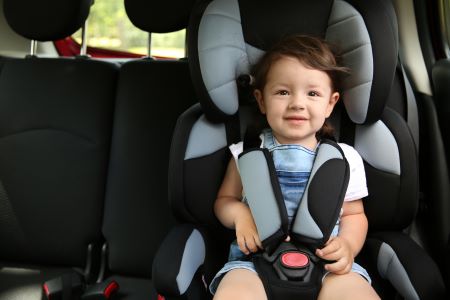
As car manufacturers design crash protection systems such as seatbelts and airbags to protect adults, young children also need specially designed safety systems appropriate for their age. This is why Florida law requires children to be secured in car seats or booster seats that match their age, height, and weight. Properly using these seats can significantly reduce the risk of severe injuries in an accident. To help you keep your child safe and stay compliant with the law, here’s what you need to know about Florida’s car seat requirements in 2025.
What Are Florida’s Car Seat Laws?
Under Florida Statute 316.613, all children under six years must be secured in a crash-tested, federally approved child restraint system like a car seat or a booster seat. The requirements are also based on a child’s age, as listed below:
- Infants and toddlers (ages 0-3) must ride in a separate car seat or an integrated child safety seat built into the vehicle
- Young children (ages 4-5) must use a booster seat, separate child seat, or an integrated seat
Children older than five should remain in a booster seat until they are tall enough for the seat belt to fit properly. This means the lap belt sits across the hips, and the shoulder belt crosses the chest, not the neck and stomach.
If a driver doesn’t follow these rules, they may face a $60 fine and three points on their license. However, a court may waive the points if the driver completes a child safety program approved by the Department of Highway Safety and Motor Vehicles.
Types of Child Safety Car Seats
Although Florida doesn’t specify the type of seat required based on a child’s age, knowing the right car seat for your child’s size is crucial.
- Rear-Facing Car Seats
These seats are best for infants and toddlers as they offer better protection for a child’s head, neck, and spine in case of an accident. You could find a convertible car seat that allows your child to stay rear-facing until they reach 40 pounds or more.
- Forward-Facing Car Seats
These seats are best for children who have outgrown their rear-facing seat weight or height limits.
- Booster Seats
A booster seat is for a child who has outgrown their forward-facing seat but isn’t yet big enough to use a seat belt. It ensures that the seat belt lies properly across the chest and hips, reducing the risk of injury. Once the child has met the height and weight requirements, you can have them use the vehicle’s seat belt.
Pro tip: Keep your children in each stage of seating as long as their height and weight allow. Also, always follow the manufacturer’s guidelines when transitioning to the next type of seat and keep an ear out for any recalls.
Car Seat Laws and Car Accidents
Florida law states that not using a child restraint cannot be used as evidence of negligence in a lawsuit. If your child was injured in a car accident and wasn’t in a proper car seat, the defendant cannot use that fact to reduce the compensation owed.
Contact an Experienced Car Accident Lawyer Today
If your child was injured in a car accident, contact our Fort Myers car accident lawyer at The Pendas Law Firm today to fight for the compensation your family deserves.
The Pendas Law Firm also represents clients in the Ocala, Fort Lauderdale, Tampa, West Palm Beach, Miami, Jacksonville, Bradenton, Daytona Beach, Orlando, Naples, and Melbourne areas.