

Defective Seatbelts and Car Accidents: What You Need To Know
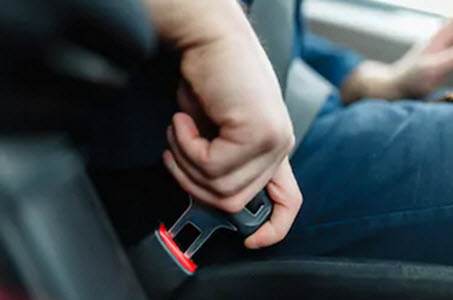
When you fasten your seatbelt before driving off, you trust that it will protect you in case of a collision. But what if it doesn’t? A defective seatbelt can fail at the worst moment, resulting in catastrophic injuries. According to the National Highway Traffic Safety Administration (NHTSA), wearing your seatbelt can reduce your risk of moderate to critical injury by 50% and fatal injury by 45% in a passenger car and reduce the risk of a moderate to critical injury by 65% and fatal injury by 60 % while in a light truck. Additionally, seatbelts can help prevent severe head injuries and ejections during crashes. If you suffered injuries from a defective seatbelt, you may have legal options to seek compensation.
Common Seatbelt Defects That Can Put You at Risk
Seatbelts can malfunction in several ways, each posing a serious safety threat. These include the following:
- False latching: This is where the seatbelt appears to be fastened but can unlatch unexpectedly upon impact.
- Inertial unlatching: A seat belt can pop open due to the sudden movement during a crash
- Torn or ripped webbing: This is where worn-out or defective fabric tears under pressure, failing to restrain you.
- Defective buckle: A faulty buckle may not hold, putting you at risk of being thrown forward
- Incorrect placement: In this situation, a seatbelt’s poor design or misleading instructions can lead to improper positioning, reducing protection.
- Tension-relieving device failure: A seatbelt may leave too much slack, failing to protect you like it should when it doesn’t restrict your movement.
When a seatbelt has such inherent defects, it may fail to protect you as it should, leading to injuries from ejections or impact with the dashboard.
Injuries Caused by Defective Seatbelts
Seatbelt injuries, also known as “seatbelt syndrome”, can range from minor abrasions to life-threatening conditions. Some of the common injuries include:
- Internal injuries: These can arise from the pressure of a defective seatbelt into organs, resulting in internal bleeding, which unfortunately may not be immediately noticeable.
- Neck and spine injuries: These may include whiplash, spinal fractures and even paralysis.
- Abrasions and lacerations: If a seatbelt tightens too forcefully, it can cause bruises and even deep cuts.
- Lap belt injuries: For children or improperly restrained adults, the lap belt can lead to severe abdominal injuries.
- Head injuries: When a seatbelt malfunctions, this can result in mild to severe head injuries like concussions or traumatic brain injuries.
How To Check if Your Seatbelt Is Defective
They say prevention is better than cure, and regularly inspecting your seatbelt can help identify any potential defects. Here’s what you can check for:
- Any visible damage, like frayed or torn fabric
- Buckles issues, such as if it doesn’t click or doesn’t stay latched when pulled
- Retractor issues; if you give the belt a quick tug, does it lock in place? If not, the mechanism may be faulty
- Intermittent failures such that sometimes, the seatbelt works and sometimes it doesn’t.
If a defective seatbelt has injured you, you can file a lawsuit against the manufacturer for negligence, breach of warranty, or failure to warn, thereby holding them liable for design flaws or poor assembly that led to your injuries.
Has a Defective Seatbelt Injured You?
If a seatbelt failure has injured you or a loved one, contact our West Palm Beach car accident lawyer at The Pendas Law Firm to discuss your legal options.
The Pendas Law Firm also represents clients in the Ocala, Fort Lauderdale, Tampa, Orlando, Miami, Daytona Beach, Jacksonville, Bradenton, Fort Myers, Naples, and Melbourne areas.
Source:
nhtsa.gov/vehicle-safety/seat-belts#:~:text=The%20benefits%20of,65%25%20(NHTSA%2C%201984)