
Tips To Help You Avoid Drowsy Driving
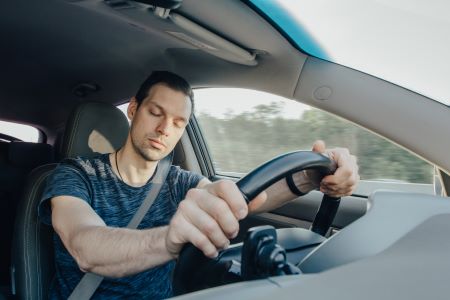
Drowsy driving is quite common in the U.S., a nation known for its heavy work productivity. According to the CDC, more than a third of Americans don’t get enough sleep on a regular basis. Unfortunately, if you get into a car after not getting enough sleep, you could end up falling asleep at the wheel. Falling asleep at the wheel, even just for just a few seconds, can result in serious consequences.
Many Americans have a serious sleep debt. You can get sleep debt in several ways. For example, if you work two jobs or work the night shift often, the chances are, you have a sleep debt. On the other hand, other people can sleep for up to eight hours and still be tired because they are dealing with untreated or unrecognized health conditions. Usually, a driver can only know their level of sleepiness when they get behind the wheel. When you are starting your trip, you might feel quite awake. Unfortunately, that alertness usually wears off, allowing boredom and drowsiness to take over.
The following are 6 tips to help you avoid drowsy driving.
Work on Rectifying the Cause of Your Drowsiness
As already mentioned, lack of enough sleep is not the only cause of drowsy driving. So, the first thing you should do to avoid drowsy driving is to identify the cause of your drowsiness and rectify it. If lack of enough sleep is causing your drowsiness, ensuring you get at least seven hours of sleep can rectify the situation. On the other hand, if a health condition is resulting in your drowsiness, consult a medical professional to learn how to rectify your situation.
Avoid Driving Late at Night
If you can, avoid operating a motor vehicle late at night after a long day of work. Driving at night after a long day at work means you have to deal with both fatigue and night vision. However, if you can’t avoid driving at night, among other things;
- Make sure your windshield is cleaned
- Aim your cleaned headlights properly
- Avoid tailgating
If on a Long Trip, Schedule a Break
If you happen to be taking a long trip alone, ensure you take occasional breaks. If you can’t find something like a restaurant or gas station, pull over to the side of the road and take a break.
Correct Your Posture
It is advisable for you to sit upright in your vehicle’s chair while driving and avoid slouching.
Consider Carpooling
If you are tired or sleepy, you should consider arranging a carpool with family, friends, or coworkers. That way, you can rest.
Avoid Alcohol and Medications That Cause Drowsiness
If you know you are planning to get behind the wheel, avoid alcohol because alcohol can make you sleepy. Also, if you know you are about to get behind the wheel, avoid medication known to cause drowsiness.
Contact Us for Legal Help
If you believe you were injured in an accident because another driver chose to drive while drowsy, contact our West Palm Beach personal injury attorneys at The Pendas Law Firm today to schedule a consultation. If you have a valid personal injury claim, we can help you obtain the compensation you deserve.
The Pendas Law Firm also represents clients in the Miami, Orlando, Tampa, Ocala, Bradenton, Jacksonville, Fort Lauderdale, Fort Myers, and Daytona Beach areas.
Resource:
cdc.gov/media/releases/2016/p0215-enough-sleep.html