

Tires: A Lesser-Known Cause of Car Accidents
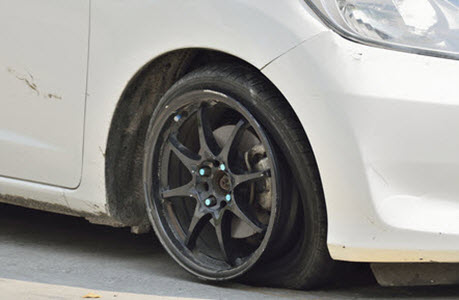
When discussing car accidents, your conversation may likely be focused on how speeding and distractions of impaired driving can cause such accidents. However, have you ever considered how tires could also lead to an accident and how essential tires are? Tires are the main thing separating you and the asphalt, and defective or poorly maintained ones can also significantly contribute to road crashes. According to the National Highway Traffic Safety Administration (NHTSA), tire-related issues cause approximately 11,000 accidents annually in the United States, with hundreds resulting in severe injuries or fatalities. Understanding the risks associated with tires and taking proactive measures to mitigate them is crucial for every driver.
How Defective or Worn-Out Tires Lead To Accidents
Tires are critical in handling and controlling a vehicle. If you have defective or poorly maintained tires, you may be compromising your safety on the road in several ways:
- Losing control: When tires lack sufficient grip, especially in wet or icy conditions, the vehicle can skid, veer off the road, or even roll over.
- Braking failures: Worn-out tires can reduce much-needed traction, increasing stopping distances and the likelihood of a rear-end collision.
- Tire blowouts: A sudden tire failure at high speeds can lead to loss of control, endangering yourself and others on the road.
- Fire hazards: Underinflated tires generate excess heat, leading to dangerous friction or fires.
Can You Be Held Liable for Your Neglect of Tire Maintenance?
While defective tires pose significant safety risks, the consequences of neglecting tire maintenance can extend beyond accidents, leading to potential legal liabilities. Drivers and vehicle owners must maintain their cars in roadworthy conditions. Unfortunately, many drivers place unwarranted trust in tires, often neglecting proper upkeep. If you fail to inspect your tires regularly or replace them when necessary, leading to avoidable accidents, you may be held accountable for the accident. Tire negligence often includes the following:
- Driving on underinflated or overinflated tires.
- Ignoring worn treads or visible damage.
- Using improperly mounted or mismatched tires.
- Failing to replace tires with those suitable for the vehicle or driving conditions.
In Florida, liability in tire-related accidents is determined under the state’s comparative negligence rules. If you are found to be partially at fault, your degree of fault may reduce the compensation you can recover. Moreover, if you’re deemed more than 50% responsible, you could be barred from recovering damages. To avoid such consequences, it is essential to maintain your tires properly.
Proactive Tire Maintenance Tips
To minimize the risk of tire-related accidents, here are some tips you can incorporate into your vehicle maintenance routine:
- Check Tire Pressure Regularly: Inspect or monitor tire pressure regularly, especially during extreme weather conditions, as temperature changes can affect pressure.
- Replace your tires on time: If your tires show signs of wear or damage, replace them promptly, even if they haven’t reached the manufacturer’s mileage. Harsh road conditions or severe weather can accelerate tire wear.
- Address Recalls Immediately: If your tires are recalled, act promptly to avoid potential hazards.
- Keep a Spare Tire Ready: Always have a spare tire for emergencies.
Contact a Fort Lauderdale Car Accident Lawyer
If you have been involved in a tire-related accident, contact our trusted Fort Lauderdale car accident lawyer at The Pendas Law Firm to discuss your case and protect your rights.
The Pendas Law Firm also represents clients in the Ocala, West Palm Beach, Jacksonville, Miami, Daytona Beach, Tampa, Bradenton, Orlando, Fort Myers, Naples, and Melbourne areas.
Source:
utires.com/articles/tire-blowout-statistics/